
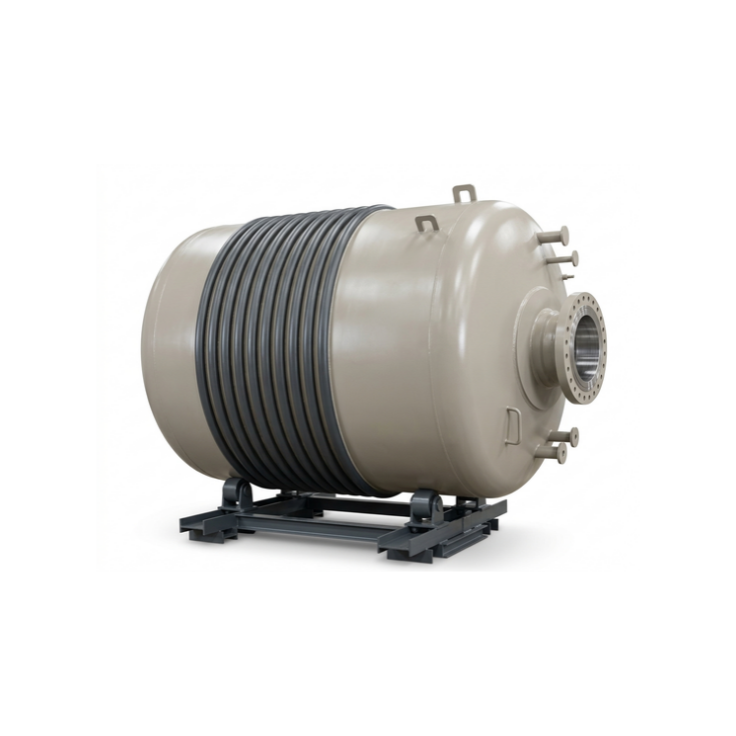
Blending Tanks: Design, Functionality, and Industrial Applications
Blending tanks are essential process vessels used across chemical manufacturing, lubricant processing, and industrial synthesis. Designed to standardize formulations and maintain homogeneous mixtures, these specialized tanks accommodate a wide spectrum of fluid behaviors—from low-viscosity solvents to high-viscosity molten waxes.
Base Oil & Lubricant Formulation: Blending refined base stocks with viscosity index improvers, anti-wear additives, and detergents to produce commercial motor oils, hydraulic fluids, and gear lubricants.
Solvent & Chemical Processing: Mixing polar and non-polar liquid chemicals, diluents, and industrial reagents under precise reaction or thermal parameters.
Molten Wax Blending: Processing paraffin, microcrystalline, or synthetic waxes requiring continuous thermal management to maintain liquidity during mixing.
Reactant Preparation: Pre-mixing feedstocks, catalysts, and reagents to achieve accurate stoichiometric ratios before introducing them into downstream reactors.
Jacketed Vessels: Steam, thermal oil, or dimple jacket systems provide accurate heating to prevent high-viscosity fluids (such as waxes and heavy additives) from solidifying along vessel walls.
Internal Heating Coils: Used in large-volume base oil blending operations to maintain continuous bulk fluid flow temperatures.
High-Shear Mixers: Essential for dispersing solid additives or creating emulsions in liquid chemical formulations.
Hydrofoil & Pitch-Blade Turbine Agitators: Optimized for low-shear bulk blending of miscible liquids, such as base oils and solvent blends, while minimizing power consumption.
Anchor & Scraped-Surface Agitators: Designed for high-viscosity waxes or heat-sensitive products to prevent wall thermal degradation and maintain consistent heat transfer.
Stainless Steel (304 / 316L): Offers corrosion resistance and surface cleanability across a wide range of industrial solvents and base oils.
Carbon Steel (Internally Coated): Cost-effective option for non-corrosive hydrocarbon blending applications.
Special Alloys (Hastelloy, Inconel): Specified for aggressive chemical reactants and highly acidic or caustic formulations.